Complete Guide to Garage Door Safety Inspection in 2026
Why Garage Door Safety Inspections Are Essential
Regular garage door safety inspections are critical to maintain compliance with safety standards, reduce accident risks, and ensure smooth operation. These inspections serve as a detailed safety audit, assessing all components and systems to identify potential hazards before they become serious problems. Homeowners benefit from peace of mind knowing their garage doors meet safety regulations and are unlikely to cause injury or damage. Additionally, property managers and landlords must conduct inspections to comply with legal requirements and obtain compliance certificates, protecting tenants and themselves from liability.
Risk assessment during inspections helps highlight wear and tear, malfunctioning parts, and safety feature failures that can lead to accidents or costly repairs. By staying on top of maintenance and early fault diagnosis, homeowners can extend their garage door’s lifespan and improve overall energy efficiency, making inspections a vital part of responsible homeownership.
Key Components Checked During a Garage Door Safety Inspection
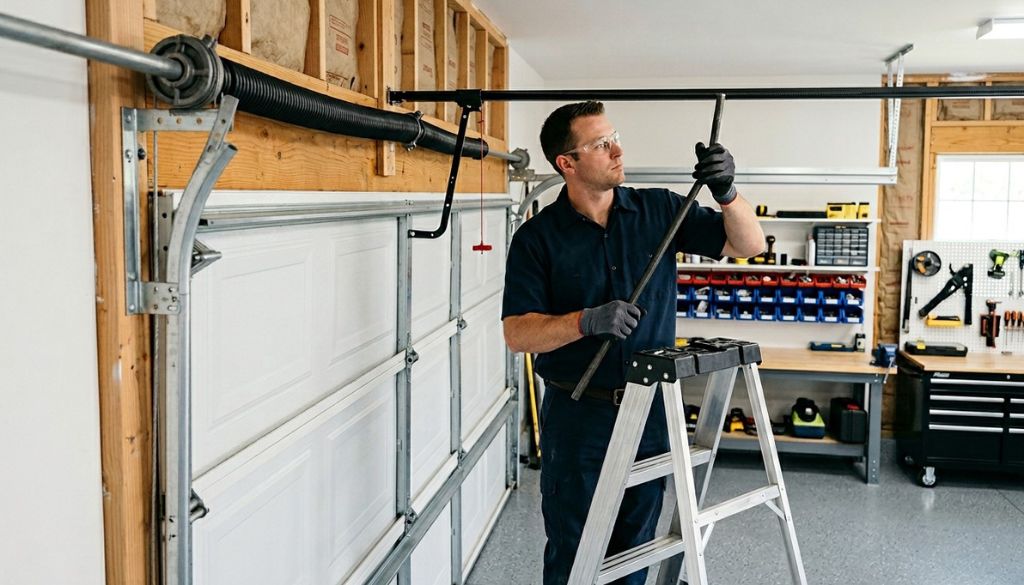
A comprehensive garage door safety inspection covers mechanical, electrical, and safety features. Inspectors assess elements such as the garage door opener, safety sensors, spring tension, track alignment, cable condition, emergency release mechanisms, motor function, panel integrity, hinge operation, torsion springs, roller quality, wall switches, and control boards. Each component plays a crucial role in safe operation, and neglecting any area may lead to malfunctions or injuries.
Inspecting Safety Features
- Automatic Reverse: Ensures the door reverses when an obstruction is detected, preventing injury or damage.
- Obstruction Detection: Sensors must accurately detect objects or people in the door’s path to stop operation.
- Emergency Stop: Functional emergency stop controls allow immediate halting of door movement during emergencies.
- Sensor Alignment: Proper alignment guarantees sensors communicate effectively to trigger safety functions.
- Warning Signs and Safety Decals: Must be visible and legible as reminders of operational hazards and safety guidelines.
- Child and Pet Safety: Mechanisms should prevent unintentional door activation by children or pets, minimising injury risks.
Mechanical and Structural Checks
- Door Balance: Balanced doors reduce motor strain and sudden drops, enhancing safety.
- Corrosion Check: Identifies rust or material degradation which compromises structural integrity.
- Bolt Tightness and Fastener Security: Ensures all components stay securely attached and function correctly.
- Structural Damage: Includes cracks, dents, or warping in panels and supports.
- Wear and Tear: Regular use causes deterioration in hinges, rollers, and springs requiring prompt attention.
- Pinch Points: Areas where fingers or objects might get caught must be assessed and safeguarded.
Electrical and Control System Inspection
- Power Supply: Stable and secure electrical connections are crucial for reliable door operation.
- Wiring Inspection: Checks for frayed wires, loose connections, or signs of wear that may cause faults.
- Remote Control: Tests responsiveness and battery status.
- Wall Switch: Verifies switch functionality and safety features such as lockout controls.
- Control Board Fault Diagnosis: Detects error codes and ensures proper communication between components.
Step-by-Step Garage Door Safety Inspection Checklist
Follow this detailed checklist to perform your own cheap garage door repairs near me garage door safety inspection or understand what professionals will examine:
- Operational Test: Open and close the door using remote and wall switch. Check for smooth movement and unusual noises.
- Load Test: Carefully test the door balance by manually lifting it halfway; it should hold position without drifting.
- Lubrication Points: Apply lubricant to rollers, hinges, springs, and tracks to reduce noise and wear.
- Noise Level: Listen for grinding, squeaking, or rattling sounds indicating mechanical issues.
- Manual Lock Function: Ensure locks operate properly for security.
- Weather Seal Inspection: Check seals for cracks, gaps, or brittleness affecting insulation and energy efficiency.
- Spring Tension: Assess torsion springs for proper tension and absence of rust or damage.
- Safety Sensors: Test obstruction detection and automatic reverse response.
- Cable Condition: Inspect lifting cables for fraying, kinks, or wear.
- Track Alignment: Ensure tracks are straight, properly secured, and free of debris.
- Emergency Release: Confirm that the emergency release mechanism disengages the door opener smoothly.
Common Garage Door Safety Issues and How to Address Them
Garage doors often develop safety issues that require timely repair to avoid accidents or breakdowns. Some frequent problems include:
- Corrosion: Rust weakens metal parts such as springs and tracks. Cleaning and applying rust inhibitors help slow deterioration.
- Spring Tension Problems: Overstretched or broken springs affect door balance and can cause sudden falls. Professional repair or replacement is necessary.
- Sensor Misalignment: Sensors blocked by dirt or displaced fail to detect obstructions, increasing injury risk. Adjusting or cleaning restores function.
- Broken Cables: Frayed or snapped cables compromise door stability and should be replaced by experts immediately.
- Faulty Motor or Opener: Motors showing inconsistent power or control board errors need diagnostic checks and possible servicing.
- Track Issues: Bent or loose tracks cause door derailment or jams and should be realigned or fixed promptly.
Maintenance Tips to Keep Your Garage Door Safe and Efficient
Adopting a regular maintenance schedule significantly extends the life and safety of your garage door. Key tips include:
- Schedule inspections at least twice a year, preferably before extreme weather seasons.
- Lubricate all moving parts every six months with appropriate garage door lubricants.
- Clean and check safety sensors monthly to ensure unobstructed operation.
- Reduce noise levels by tightening loose bolts and replacing worn rollers promptly.
- Inspect weather seals annually to improve energy efficiency and prevent drafts.
- Test automatic features regularly to confirm safety protocols function correctly.
- Keep the garage door area free of clutter to avoid obstruction detection issues.
When to Call a Professional for Garage Door Safety Inspection
While some garage door safety checks can be performed by confident DIY enthusiasts, certain tasks require professional expertise. Call a technician if you encounter:
- Broken or dangerously stretched springs requiring specialised tools and training for replacement.
- Complex electrical faults including wiring issues or control board malfunctions.
- Signs of significant structural damage or corrosion needing assessment for safety compliance.
- Failure of automatic reverse and safety sensors that pose high injury risk.
- Emergency release system problems that could trap vehicles or persons inside.
- The need to obtain a compliance certificate for legal or insurance purposes.
Professional technicians are trained in current garage door safety standards and equipped with the right tools to perform thorough inspections, risk assessments, and repairs safely. Engaging expert services gives peace of mind and ensures all safety protocols are met.
Safety Equipment and Precautions During Inspection
Always prioritise safety when inspecting your garage door. Use appropriate protective equipment such as safety glasses to shield your eyes from debris or snapping springs during mechanical checks. Follow manufacturer safety protocols, including disconnecting power supply before handling electrical components. If you lack technician training, avoid attempting repairs on high-tension springs or electrical systems. Instead, seek professional assistance to prevent injury.
During inspections, maintain clear communication if others are involved and ensure the garage environment is well-lit and free of trip hazards. Using the right tools and safety gear not only protects you but also enhances inspection accuracy and efficiency.
Frequently Asked Questions
- What is included in a garage door safety inspection?It includes checking mechanical components, safety features like sensors and automatic reverse, electrical systems, structural integrity, lubrication points, and operational performance tests.
- How often should I have my garage door inspected?Ideally, every six months or annually depending on usage frequency and environmental conditions.
- Can I perform a garage door safety inspection myself?Basic visual checks and sensor tests can be done DIY, but technical repairs and spring adjustments should be left to professionals.
- What are the most common safety issues found?Common problems include spring tension failures, sensor misalignment, corrosion, broken cables, and electrical faults.
- When should I call a professional for safety checks?
Our Sponsor
Call a pro if you notice broken springs, faulty motors, significant structural damage, or malfunctioning safety sensors.A1 Garage Doors Gold Coast
A1 Garage Doors Gold Coast is a Bundall-based garage door specialist serving the southern Gold Coast and surrounding suburbs with installation, repair, maintenance, and emergency garage door services. The company specializes in sectional doors, roller doors, garage door openers, spring and cable replacement, opener motor repair, smart-enabled installations, and 24/7 emergency call-outs across Robina, Burleigh Heads, Surfers Paradise, Nerang, Coomera, and the wider Gold Coast region.
Address:
1 Waterford Court, Bundall, QLD 4217, AustraliaPhone: (07) 5515 0277
Business Hours:
- Open 24/7 — Including After-Hours and Emergency Call-Outs
Follow Us:
- How do safety sensors prevent accidents?Sensors detect objects or people in the door’s path and automatically reverse the door movement to prevent injury or damage.
- What maintenance tasks improve garage door safety?
Regular lubrication, sensor cleaning, tightening bolts, inspecting cables, and testing automatic features enhance safety and reliability. - Are there legal requirements for garage door safety inspections?Yes, some jurisdictions require compliance certificates and regular inspections, especially for rental properties and commercial buildings.
- How much does a professional garage door safety inspection cost?Costs vary depending on location and service scope, but typically range from $100 to $250 AUD.
- What should I do if my garage door fails an inspection?Arrange prompt repairs from certified technicians to resolve identified safety risks and restore compliant operation.